Find my balance.Find my strength.Find my symmetry.
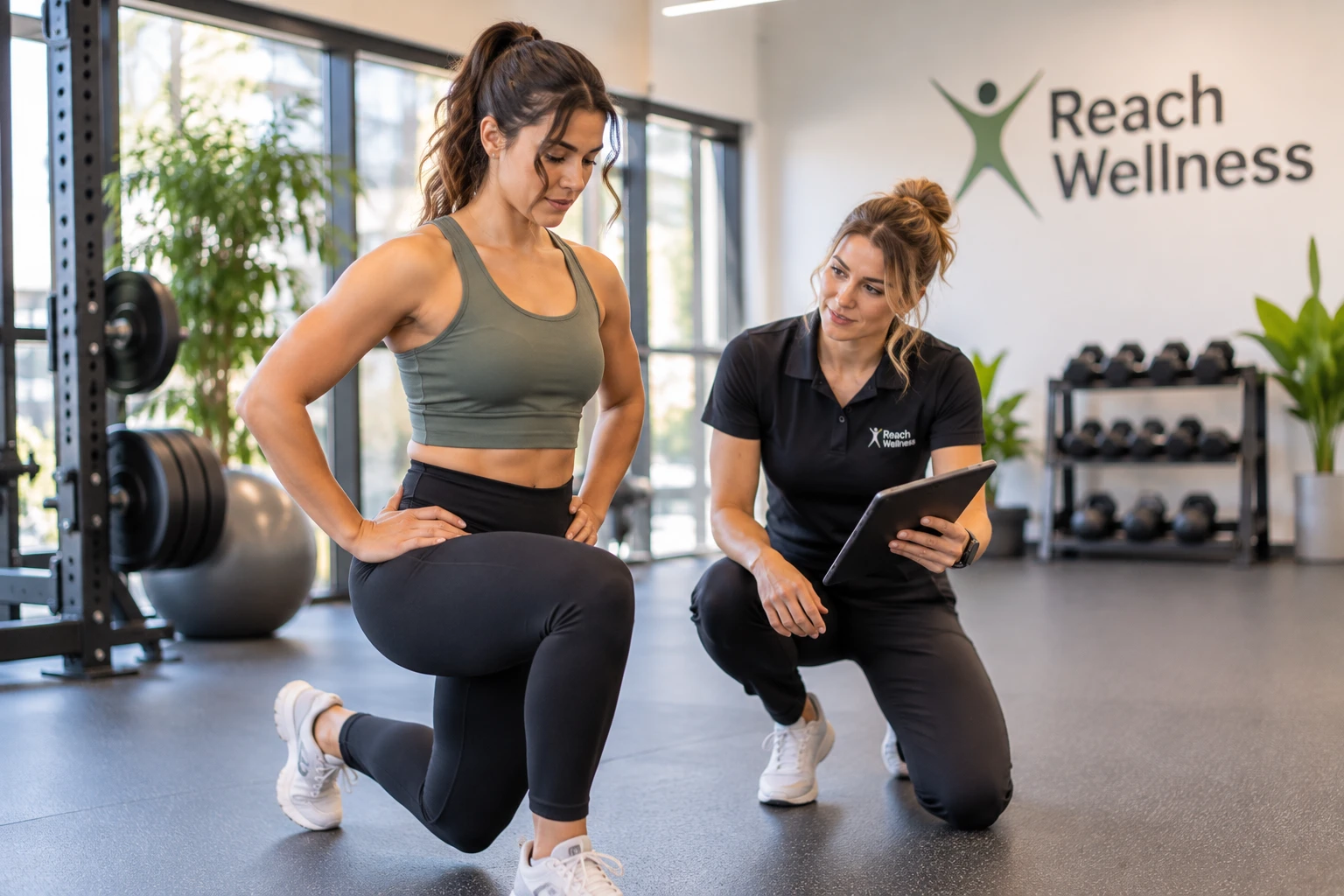
Why alignment matters
Your body works as one connected system, and your nervous system is its highway. Tight muscles, a tilted pelvis, restricted ribs or a misaligned neck can slow the traffic, and the body compensates somewhere else.
- Pain and stiffness. Neck, back, hip, knee and shoulder aches, headaches and general tightness.
- Digestion. A slumped posture can restrict breathing and compress the abdomen, which is often linked to bloating and reflux.
- Joints. Uneven loading wears one side of a joint faster, which can contribute to stiffness and arthritic changes over time.
- Circulation. Chronic tension and poor posture can leave limbs feeling cold, heavy or tired.
Persistent symptoms deserve a clinician’s attention, but alignment is one of the most powerful things you can work on, and it is never too late to start. Your nervous system keeps learning at every age, so small, consistent changes can retrain how you move.
This scan gives you a baseline and tracks your progress. Mirror mode lets you monitor yourself live as you do standard at-home exercises.
The test
Thirty-two short captures (about 18 to 21 minutes): standing posture from the front, both sides and back, head scan, overhead squat, regular squat, toe touch and lunge from four angles, diagonal reach, shoulder reach, trunk rotation and single-leg balance. They cover the frontal plane, the sagittal plane, the midsagittal plane (your midline), the parasagittal planes (your left and right sides compared), the oblique plane (diagonal movement) and the vertical axis.
Prop your device level at about hip height, 2 to 3 metres away, with light in front of you and fitted clothing. Every time you test, the app first checks that you are at the right distance with your whole body in frame, and the test starts only after you hold that position for 5 seconds. Movement tests record 2 reps and use the average.
Video is processed on your device and is never uploaded.